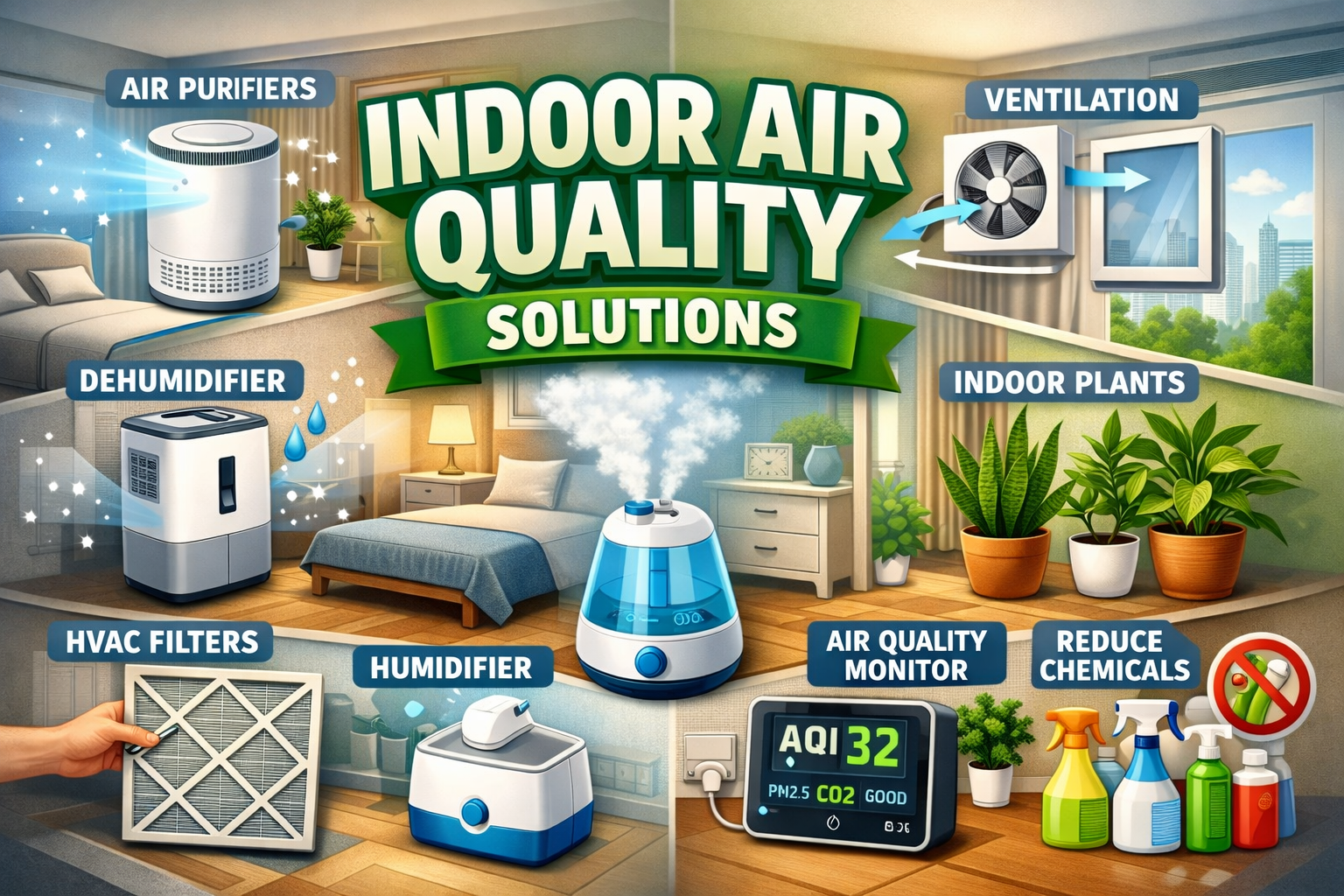
Indoor Air Quality Solutions
Your Guide to Freshness: The Best Indoor Air Quality Solutions for 2026
Have you ever walked into your home after a long day and felt like the air was just a little bit heavy? You are definitely not alone in that feeling. Most of us spend nearly 90% of our lives inside, yet we rarely think about the invisible world floating around us. In 2026, making sure our homes are healthy havens is more important than ever before. With new technology and a deeper understanding of health, finding the right indoor air quality solutions has become a top priority for families all across the United States. It is about more than just a nice smell; it is about the very energy and wellness of your household.
The truth is that the air inside our cozy living rooms can sometimes be even more polluted than the air outside in a busy city. This happens because modern homes are built to be very airtight to save on energy bills. While that is great for your wallet, it can trap things like dust, pet dander, and tiny chemicals from cleaning products. The good news is that we have incredible tools today to fix this. By choosing the right mix of technology and simple habits, you can transform your home into a place where every breath feels crisp, clean, and totally refreshing.
Why Pure Air Matters for Your Family’s Future
When we talk about wellness, we often focus on the food we eat or how many steps we take. However, the air we breathe is just as vital for our long-term health. Clean air helps children grow strong, keeps our minds sharp for work, and even helps us sleep better at night. If you have ever suffered from itchy eyes or a scratchy throat for no clear reason, your home might be trying to tell you something. Investing in smart indoor air quality solutions is a powerful way to take control of your environment and protect the people you love most.
In recent years, scientists have shown that breathing purified air can actually boost your mood and productivity. Imagine waking up feeling fully rested because your lungs didn’t have to work through dust mites all night. That is the kind of life-changing difference we are talking about here. It is not just a luxury anymore; it is a fundamental part of a modern, healthy lifestyle. As we look at the best ways to clean up our spaces, you will see that many of these steps are quite easy to start right now.
Understanding the Hidden Pollutants in Your Home
Before we dive into the best fixes, we need to know what we are fighting against. Our homes are full of “hidden guests” that we never invited. These include things like Volatile Organic Compounds, or VOCs, which come from new furniture, paints, and even those scented candles we love. Then there are the natural invaders like mold spores and pollen that sneak in through open doors. Even cooking on a gas stove can release tiny particles that linger in the air long after the meal is finished and the dishes are put away.
Knowing these sources is the first step toward a cleaner home. You don’t need to be a scientist to handle this, though. Most indoor air quality solutions are designed to be “set it and forget it” systems. They work quietly in the background so you can focus on living your life. By identifying which rooms are the most lived-in, like the bedroom or the kitchen, you can target your efforts where they will have the biggest impact on your daily comfort and health.
The Power of High-Efficiency Air Filtration
One of the most effective ways to scrub your air clean is by using high-quality filters. If you have a central heating and cooling system, you already have a filter, but is it the right one? Many standard filters are only designed to keep the machinery from getting dusty. To really clean the air for humans, you need something stronger. Moving to a filter with a higher MERV rating can capture much smaller particles, including smoke and some bacteria. This is a simple switch that makes a massive difference for the whole house.
For even more protection, many people are adding standalone purifiers with HEPA technology. These are the gold standard for indoor air quality solutions because they can trap 99.97% of tiny particles. Think of a HEPA filter like a very fine net that catches everything from pet hair to invisible allergens. Putting one in your bedroom can lead to much clearer sinuses in the morning. It is a powerful feeling to know that while you sleep, a dedicated machine is making sure the air around you is as pure as a mountain breeze.
Smart Sensors: The Eyes of Your Home
In 2026, we don’t have to guess if our air is clean because our homes can tell us! Smart air quality monitors are now affordable and incredibly accurate. These little devices sit on a shelf and constantly check for things like carbon dioxide, humidity, and chemicals. Many of them connect to your phone and send you a friendly alert if levels get too high. This “real-time” data allows you to take action exactly when it is needed, such as opening a window or turning on an extra fan.
Using these sensors takes the guesswork out of your health. You might find that your air gets stuffy only when you are vacuuming or during a humid afternoon. By seeing the numbers on your screen, you can see which indoor air quality solutions are actually working for you. It is empowering to see the “green” light on your monitor, knowing for a fact that your family is breathing the best air possible. This technology helps bridge the gap between “feeling” healthy and “knowing” your environment is safe.
The Role of Proper Ventilation and Fresh Air
Sometimes, the best solution is also the oldest one: letting in some fresh air. Ventilation is all about moving old, stale air out and bringing new, outdoor air in. However, in many parts of the USA, we can’t always leave windows open due to the weather or noise. This is where mechanical ventilation comes into play. Systems like Energy Recovery Ventilators (ERVs) are becoming very popular. They swap the air in your home while keeping the heat or coolness inside, so you don’t waste energy while getting that fresh-air feeling.
Good ventilation is especially important in “wet” areas like bathrooms and kitchens. Excess moisture can lead to mold, which is a major enemy of good health. By ensuring your exhaust fans are powerful and clean, you prevent these problems before they even start. Simple habits, like using the range hood every single time you cook, can drastically improve your results. It is all about creating a flow that keeps the air moving and prevents pollutants from settling down in your living spaces.
Humidity Control: Finding the “Sweet Spot”
The amount of moisture in your air plays a huge role in how it feels and how healthy it is. If the air is too dry, your skin might feel itchy and your throat might get sore. If it is too damp, you run the risk of mold growth and dust mites. Most experts agree that keeping your home between 30% and 50% humidity is the perfect “sweet spot.” Achieving this balance is one of the most underrated indoor air quality solutions available to homeowners today.
During the cold winters in the northern states, a whole-home humidifier can add just enough moisture to keep you comfortable. In the humid southern summers, a dehumidifier works wonders to keep the air feeling light and prevent that “musty” smell. When you control the humidity, you are effectively controlling the environment where allergens thrive. It makes the air feel more “expensive” and comfortable, allowing you to relax without the annoyance of static shocks or damp corners.
Natural Solutions: Plants and Beyond
Can a few leafy friends really help you breathe better? While plants might not be as fast as a mechanical filter, they definitely play a role in a healthy home. Certain indoor plants, like Snake Plants or Peace Lilies, are known for their ability to absorb small amounts of toxins from the air. Plus, they add oxygen and a beautiful touch of nature to your decor. They are a wonderful, low-cost addition to your overall strategy for a greener and cleaner living space.
Beyond plants, “source control” is a natural way to keep air clean. This means choosing products that don’t off-gas harmful chemicals in the first place. Look for “Low-VOC” labels on paints and cleaning supplies. Opt for natural fibers in your carpets and rugs whenever possible. By being a conscious shopper, you reduce the amount of work your filters have to do. It is a holistic approach that combines modern technology with old-fashioned wisdom to create a truly balanced and healthy home environment.
Maintenance: Keeping Your Systems Strong
Even the best indoor air quality solutions need a little love to keep working at their peak. Think of your air filters like the oil in your car; they need to be changed regularly to keep everything running smoothly. A clogged filter doesn’t just stop cleaning the air; it actually makes your HVAC system work much harder, which can lead to higher bills and broken parts. Setting a reminder on your phone to check your filters every three months is a simple habit that pays off in a big way.
It is also a great idea to have your air ducts inspected and cleaned every few years. Over time, dust and debris can build up inside the walls where you can’t see it. A professional cleaning ensures that when your heater or AC kicks on, it isn’t blowing old dust back into your rooms. Regular maintenance is the “secret sauce” that ensures your investment in health lasts for a long time. It provides peace of mind, knowing that your systems are always ready to protect you.
Comparing Air Quality Solutions Across the USA
The best setup for a home in sunny Florida might be very different from a house in snowy Maine. In the United States, our weather varies wildly, and our homes have to adapt. Because of this, it is helpful to see how different states match up with specific solutions. Whether you are dealing with high pollen in the spring or smoke from wildfires in the summer, there is a tailored plan that can help you stay safe and comfortable no matter where you live.
Below is a detailed table showing which solutions are most popular and effective based on the specific environmental challenges found in different regions of the country.
State-by-State Match: Air Quality Solutions
| Region / State | Main Air Challenge | Top Recommended Solution | Why It Works |
| California / West Coast | Wildfire Smoke & VOCs | HEPA Purifiers + Smart Sensors | Captures fine smoke particles and alerts you when to close windows. |
| Florida / Gulf Coast | High Humidity & Mold | Whole-Home Dehumidifiers | Keeps moisture low to prevent mold growth in tropical climates. |
| New York / Northeast | Winter Dryness & Dust | Whole-Home Humidifiers + MERV 13 Filters | Prevents dry skin and traps indoor pollutants during “sealed-up” winters. |
| Texas / Southwest | Pollen & Dust Storms | High-Efficiency HVAC Filters | Blocks heavy outdoor allergens from entering the central air system. |
| Illinois / Midwest | Seasonal Allergens & Radon | Energy Recovery Ventilators (ERV) | Swaps stale indoor air for fresh air without losing indoor heat. |
| Washington / Northwest | Dampness & Wood Smoke | Activated Carbon Filters | Removes the smell and toxins associated with wood-burning and dampness. |
Frequently Asked Questions About Clean Air
1. How do I know if my indoor air quality is actually bad?
The easiest way is to look for physical signs like frequent headaches, sneezing, or a persistent “stuffy” feeling. However, for a 100% accurate answer, getting a smart air monitor is the best move. It will show you exactly what is in your air so you can stop guessing and start fixing.
2. Are expensive air purifiers really worth the money?
Yes, but only if they have a true HEPA filter. The price usually covers the quality of the motor and how much air the machine can clean per hour. If you have allergies or pets, a high-quality purifier is one of the best investments you can make for your daily comfort.
3. How often should I really change my air filters?
For a standard home, every 90 days is the rule of thumb. However, if you have multiple pets or live in a dusty area, you might want to check them every 30 to 60 days. A dirty filter is the number one cause of poor air quality and high energy bills.
4. Can indoor plants replace a mechanical air purifier?
Not entirely. While plants do help and look great, they work very slowly. You would need a “jungle” of plants in every room to match the power of one small HEPA purifier. Use plants as a beautiful secondary boost to your mechanical systems.
5. What is the difference between a MERV filter and a HEPA filter?
A MERV filter goes into your big HVAC system and ranges in strength (1 to 16). A HEPA filter is much denser and is usually found in portable units. HEPA is better at catching the very smallest particles, while high-MERV filters are great for whole-house maintenance.
6. Does opening windows always help improve air quality?
Mostly yes, but check the outdoor air quality index (AQI) first! If it is a high-pollen day or there is nearby construction, keeping the windows closed and running your indoor systems might actually be the healthier choice for that day.
Taking Your First Step Toward a Healthier Home
Improving your life starts with the very air you breathe. By implementing these indoor air quality solutions, you are doing more than just cleaning a room; you are investing in your family’s long-term energy, health, and happiness. Whether you start small by switching your HVAC filter or go big with a smart whole-home system, every step counts. There is no better feeling than knowing your home is a true sanctuary where the air is always fresh and the environment is perfectly balanced.
In 2026, we have all the tools we need to live better lives. Don’t wait for a cough or a dusty shelf to remind you that your air needs attention. Take a look at your home today, consider the unique needs of your region, and choose one solution to start with. Your future self—and your lungs—will certainly thank you for it. Let’s make every breath a great one!
About the Author